

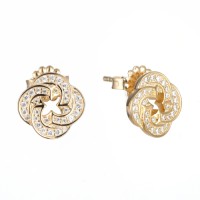

Silver Gold Plating Process
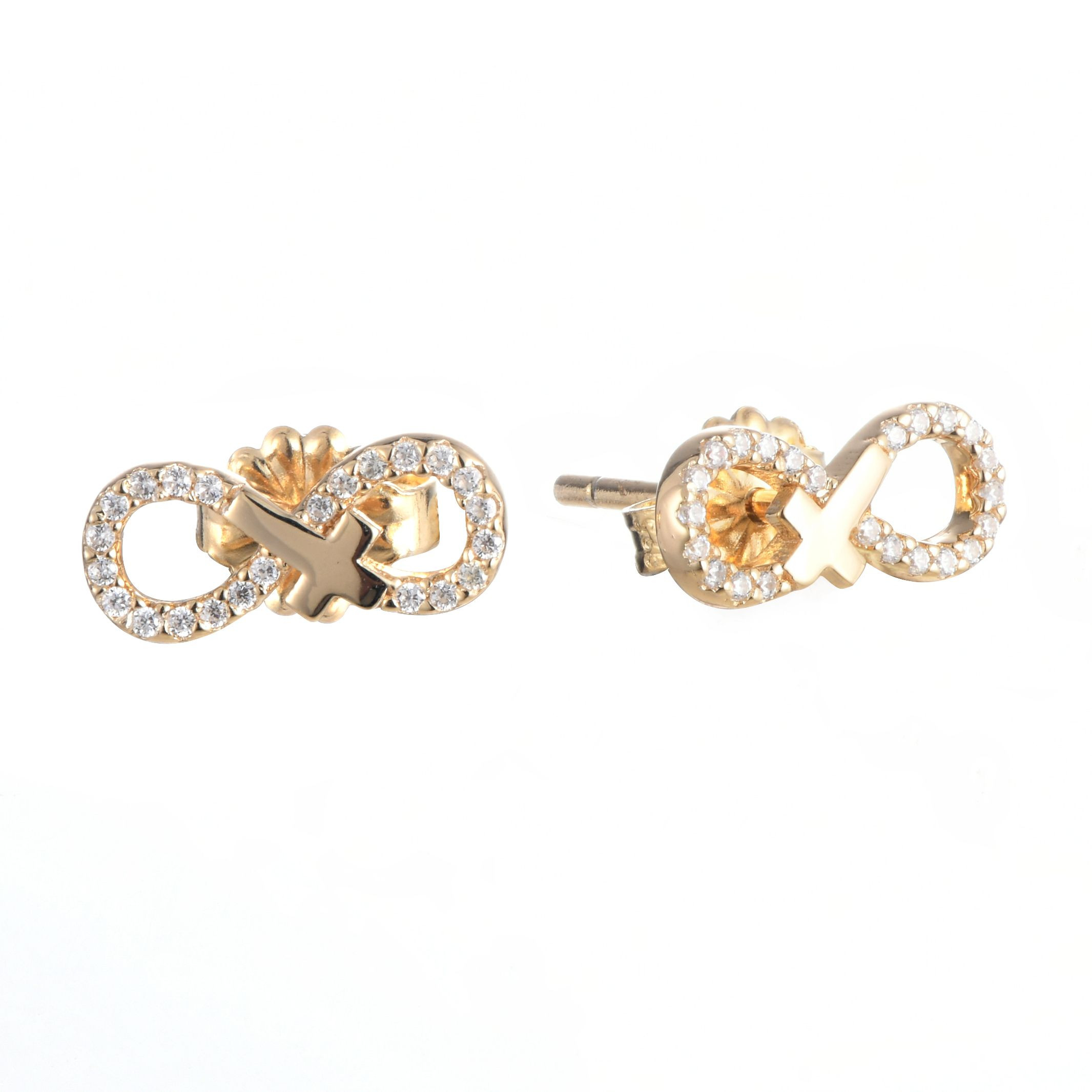
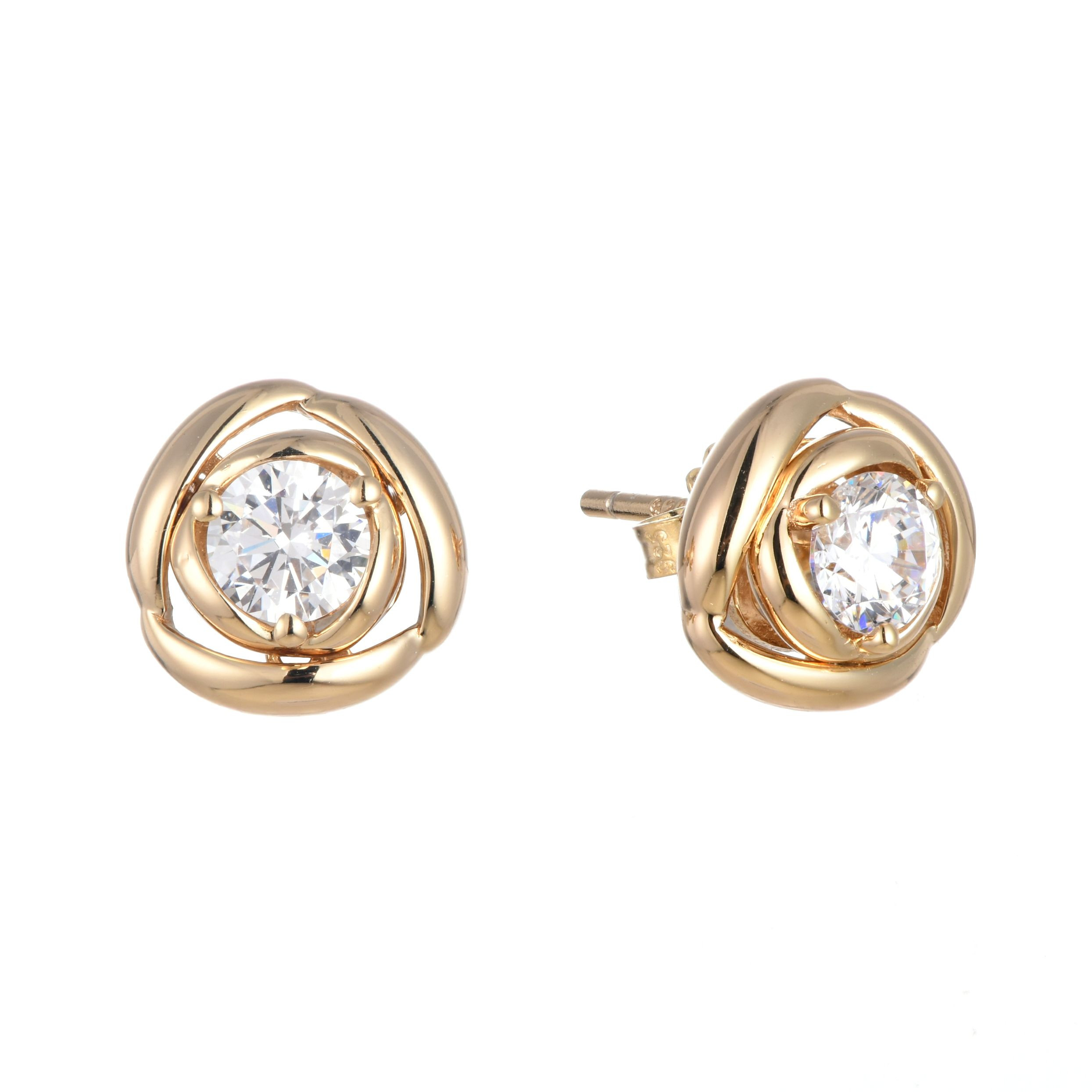
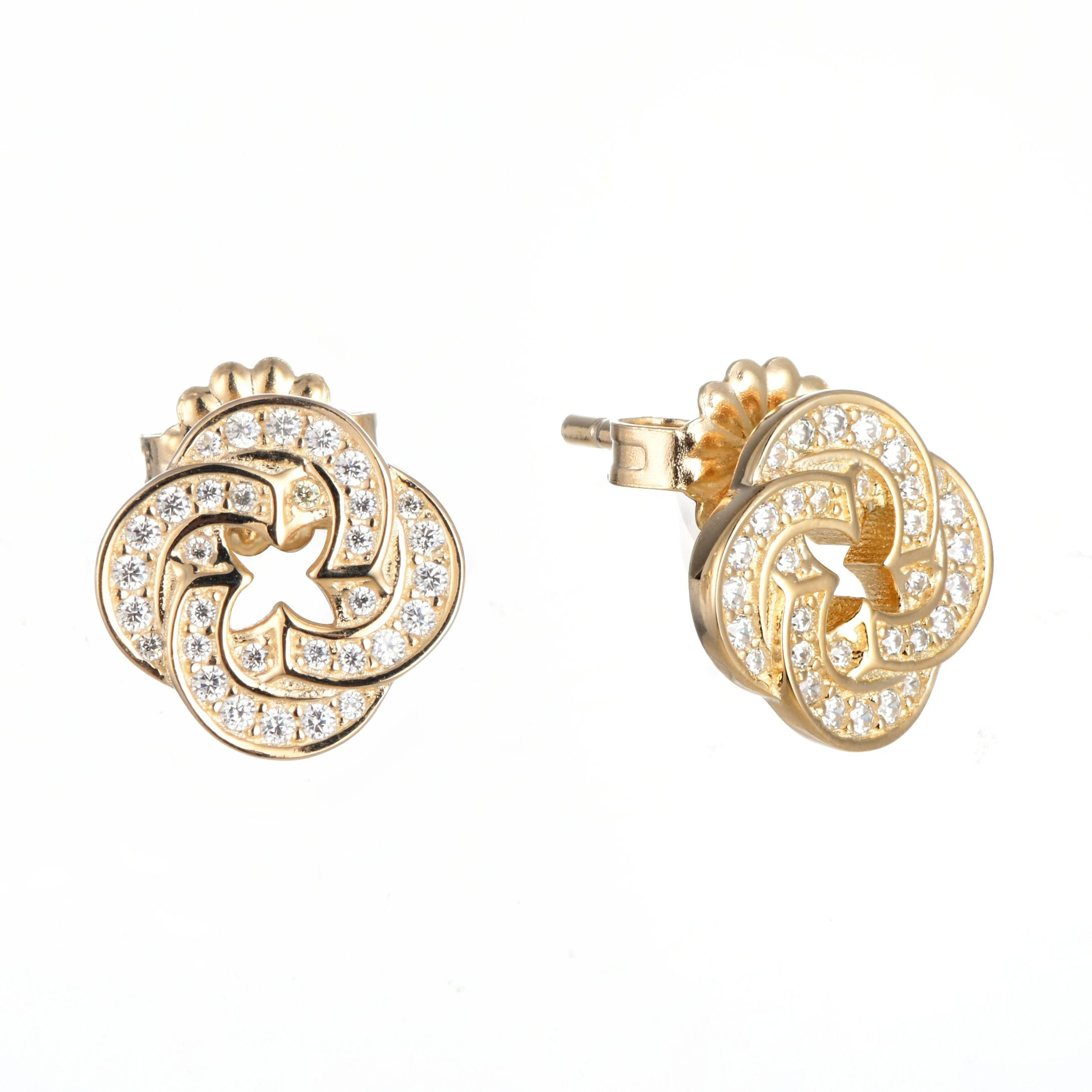
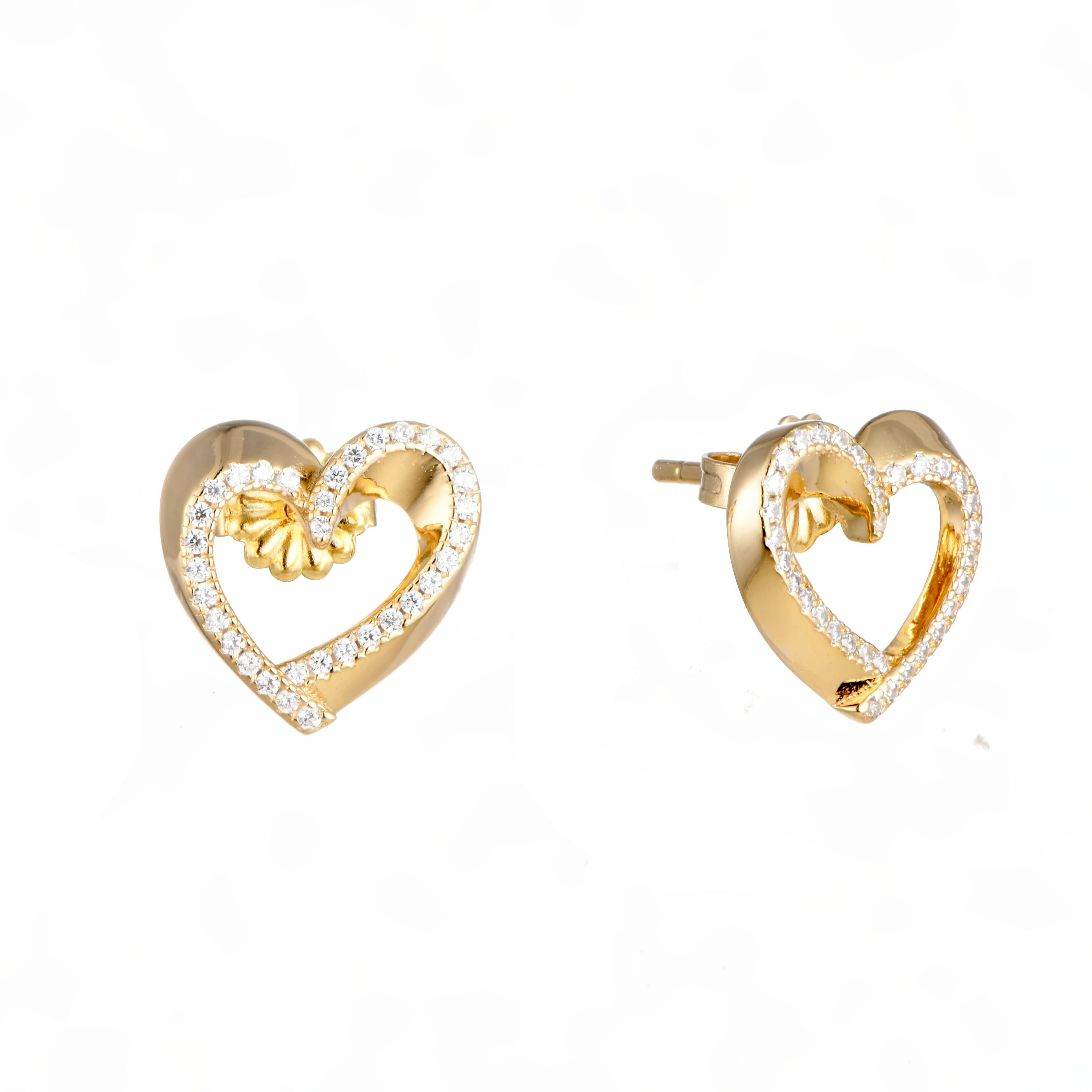
Gold plating on silver is a technique that bonds a layer of gold onto the surface of silver jewelry, aiming to enhance its aesthetics, prevent oxidation, and achieve a golden luster. The core process is outlined below, balancing practicality and quality:
Precision Shaping
The silver piece is formed into its basic shape through casting, forging, or other techniques, ensuring a smooth and flawless surface.
Fine Polishing
Abrasive papers and polishing wheels are used step by step to remove scratches, achieving a perfectly smooth surface as a foundation for plating.
Deep Cleaning
Ultrasonic cleaning (with alkaline solution) and acid pickling (e.g., dilute sulfuric acid) are applied to thoroughly remove grease, oxides, and other contaminants.
Activation Treatment
Immersion in a weak acid solution (such as hydrochloric acid) enhances the surface activity of the silver and improves the adhesion of the gold layer.
Electroplating Operation
Plating Solution: Cyanide‑based gold solution (environmentally friendly type) or acid gold solution is used, with K‑gold colors (e.g., 14K, 18K) selected as needed.
Parameters: Voltage (1‑6 V), temperature (40‑70 °C), and time (from tens of seconds to several minutes) are controlled to ensure uniform coating.
Method: Overall or partial plating can be performed; for partial plating, the non‑plated areas must be insulated.
Protective Coating
A transparent anti‑oxidation coating (e.g., nano‑resin) is applied to prevent peeling or discoloration caused by sweat, air, etc.
Secondary Polishing
Gentle polishing of the plated layer enhances the metallic luster while avoiding excessive wear.
Thickness Test: X‑ray thickness gauges ensure a gold‑layer thickness of 0.5–3 μm (for daily wear, ≥1 μm is recommended).
Adhesion Test: Tape‑peel and friction tests verify the bonding strength of the plated layer.
Corrosion Resistance Test: Salt‑spray testing simulates environmental aging to ensure durability.
Key to Adhesion: The cleanliness and activation of the silver surface directly determine the longevity of the gold layer.
Eco‑friendly Alternatives: Modern processes often adopt cyanide‑free gold solutions to reduce environmental impact.
Coating selection:
Thin plating (<1 μm): Lower cost but more prone to wear, suitable for decorative items.
Thick plating (>2 μm): More wear‑resistant and durable, ideal for frequently worn jewelry.
Avoid contact with chemicals (perfumes, bleach, etc.).
Store in a dry place and clean with a soft cloth.
Periodic re‑plating (usually thin coatings last 1–3 years) can restore worn areas.
This process combines precious‑metal aesthetics with electrochemical technology, allowing silver jewelry to exhibit the brilliance of gold while retaining the cost advantages of silver. It is widely used in high‑end fashion jewelry, collectibles, and custom‑made pieces.